Tamil Nadu's Registration Department has issued new circular guidelines for registering land-cum-building documents in Chennai, reported this September, introducing a tiered valuation and inspection framework based on the declared value of the property. If you're planning to register a villa, independent house, or any property where land and building are registered together, these rules directly affect how much paperwork, time, and third-party cost you should budget for.
1. The Three Value Tiers, Explained
| Value Bracket | What Applies |
|---|---|
| Below Rs 1 crore (construction area under 2,500 sq ft) | Higher of self-certified value or PWD schedule rate is used; field inspection can be waived for apartment units in this bracket |
| Rs 1 crore to Rs 5 crore | An approved building valuer's report must be attached to the registration document |
| Above Rs 5 crore | Higher of the approved valuer's estimate or the PWD schedule rate is taken for duty collection |
The logic is straightforward once you see it laid out: smaller, lower-value transactions get a faster, lighter-touch process with self-certification, while higher-value registrations require an independent valuer's sign-off before the document can be registered. It's a proportionate approach, but it does mean the registration process for a premium villa now looks meaningfully different from that of a compact apartment.
2. What This Actually Means for You
- Under Rs 1 crore: Expect a comparatively quicker registration, especially for apartment-format purchases, since field inspection can be skipped when self-certified or PWD-schedule values are used.
- Rs 1 crore to Rs 5 crore: Budget for a building valuer's report as part of your registration costs and timeline. This is the bracket most independent villas and larger houses in Chennai's established suburbs will typically fall into, so factor the valuer's fee and turnaround time into your purchase planning.
- Above Rs 5 crore: Expect the most rigorous check, with the registering authority comparing the valuer's estimate against the PWD schedule rate and taking whichever is higher. High-value buyers should engage a valuer early rather than at the last stage of the transaction.
3. Why This Matters More for Villas Than Apartments
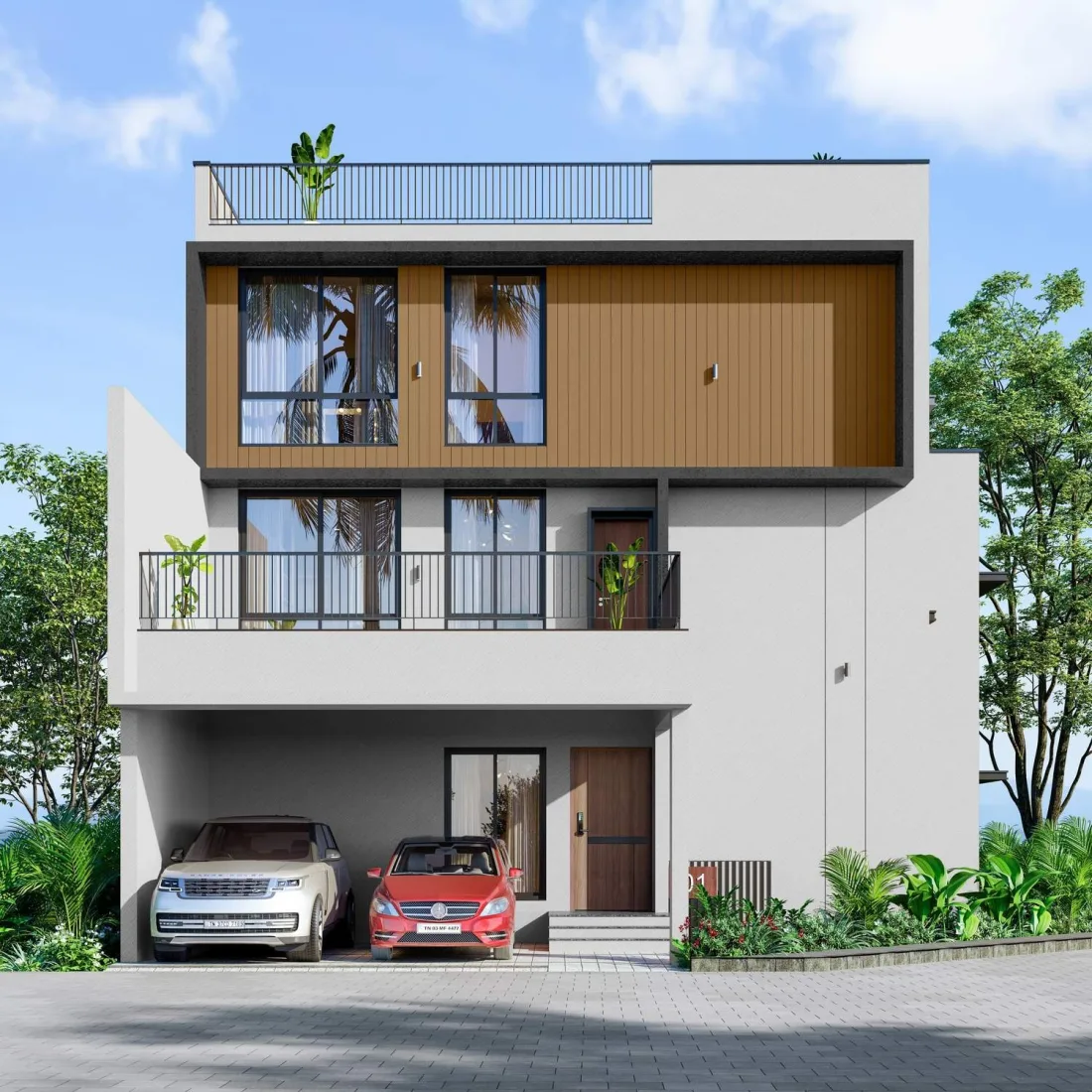
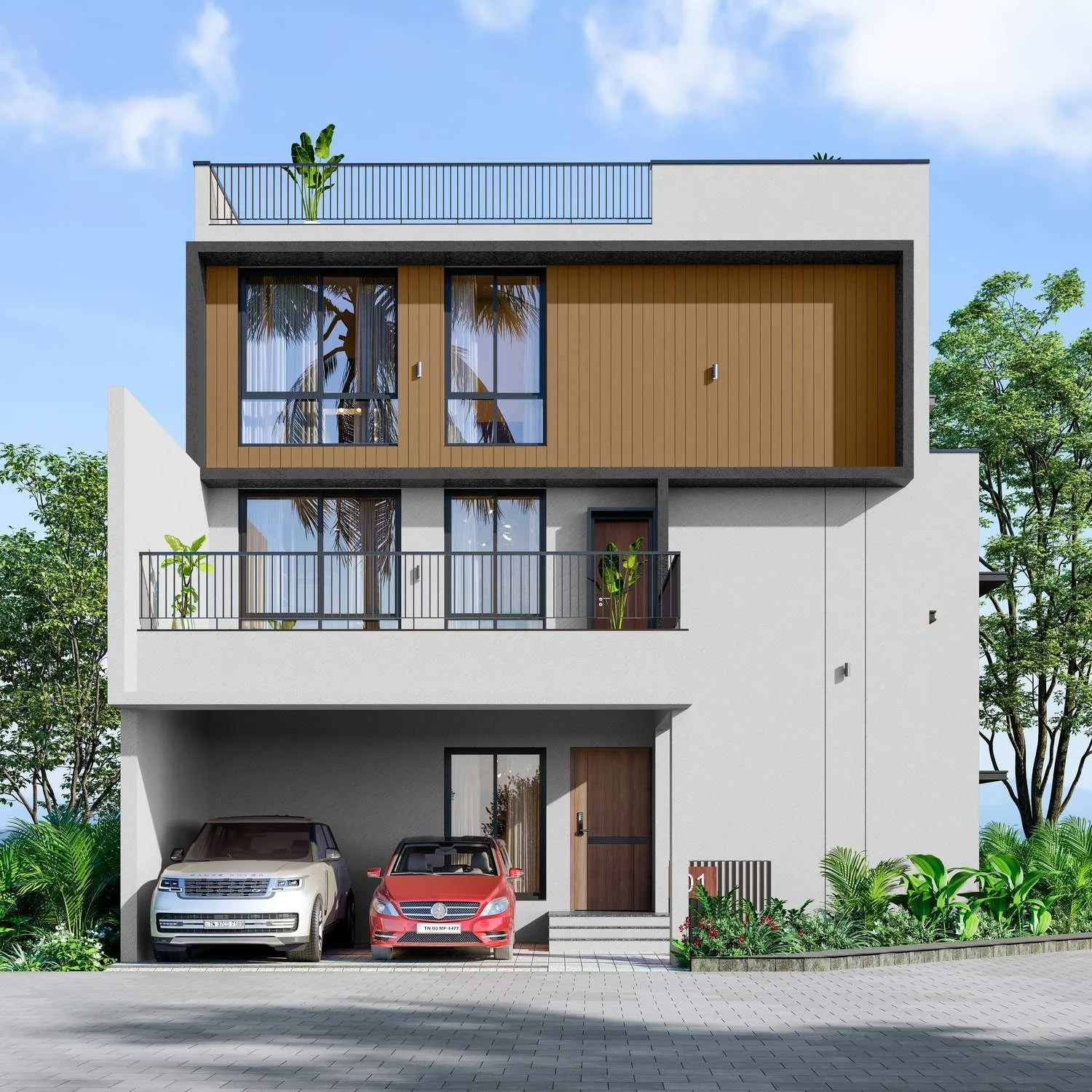
This circular specifically governs land-cum-building registrations, the category that covers villas, row houses, and independent houses where land and construction are registered as one document. A standard apartment unit registration, where you're buying an undivided share of land plus a constructed unit within a larger project, is less directly affected, though the same self-certification and inspection provisions can still come into play for smaller units. If you're evaluating a villa purchase in Chennai specifically, this is the rule set to understand before you get to the registration table, not after.
4. A Quick Reality Check on Overall Costs
It's worth remembering that these valuation rules sit alongside Tamil Nadu's standard stamp duty and registration structure, commonly cited at around 7% stamp duty plus 4% registration, roughly 11% of the property's value in total, applied uniformly regardless of buyer gender or joint ownership. The new circular changes how that value gets determined and verified, not the headline rate itself, but a higher-than-expected valuation at any tier can still meaningfully change your total closing cost, so it's worth getting an informal estimate before you're deep into a transaction.
The Bottom Line
Tamil Nadu's tiered valuation framework rewards lower-value, straightforward transactions with a faster process, while asking villa and independent house buyers in the mid-to-high value brackets to plan for a valuer's report as a standard part of registration. If you're evaluating a villa or plotted development in Chennai, our team can help you budget for these costs upfront rather than discovering them at the registrar's office. Get in touch for a full cost breakdown.