Bengaluru recorded 43,140 home sales between January and September 2026, up 5% year on year, according to Knight Frank data reported by PropNewz on October 9, 2026. Over the same nine months, all-India sales across the eight largest residential markets held broadly flat at 258,238 units, which means Bengaluru's growth stands out against a national picture that's essentially treading water.
1. Bengaluru's Resilience Isn't a One-Quarter Fluke
This nine-month figure lines up with a year of consistently strong, if not spectacular, Bengaluru data. JLL reported the city's residential market outperforming other major Indian cities in Q1 2026 with more than 18,000 homes sold, and ANAROCK found Bengaluru among only three markets nationally to post annual sales growth in Q2 2026, with sales up 1% to roughly 15,285 units even as new launches jumped 41% year on year to around 21,670 units. We covered the more recent Q3 picture in our PropEquity-based report on Bengaluru holding steady while Chennai slipped 17%. Different data providers use different methodologies and time windows, so the exact figures move around between reports, but the direction across all of them is consistent: Bengaluru has been one of the more dependable major housing markets in India through 2026.
2. What's Actually Behind the Numbers
None of these reports attribute Bengaluru's resilience to a single cause, but a few recurring threads show up across 2026 coverage: continued hiring in the city's IT and technology corridors keeps a steady base of end-user demand flowing in, ongoing metro expansion and road investment keep widening which neighbourhoods are realistically commutable, and a now-broad spread of RERA-registered project choices across price points gives buyers more ways to find something that fits their budget without leaving the city's job corridors. CRE Matrix's H1 2026 data specifically called out the ₹2-5 crore price band as a strong performer in Bengaluru, alongside NCR and Mumbai.
3. Where the Activity Is Concentrated
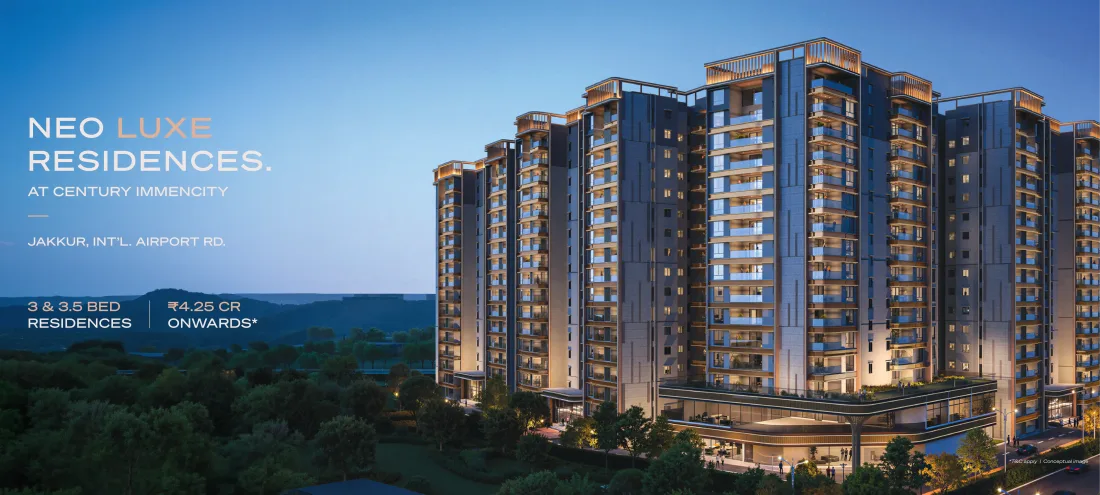
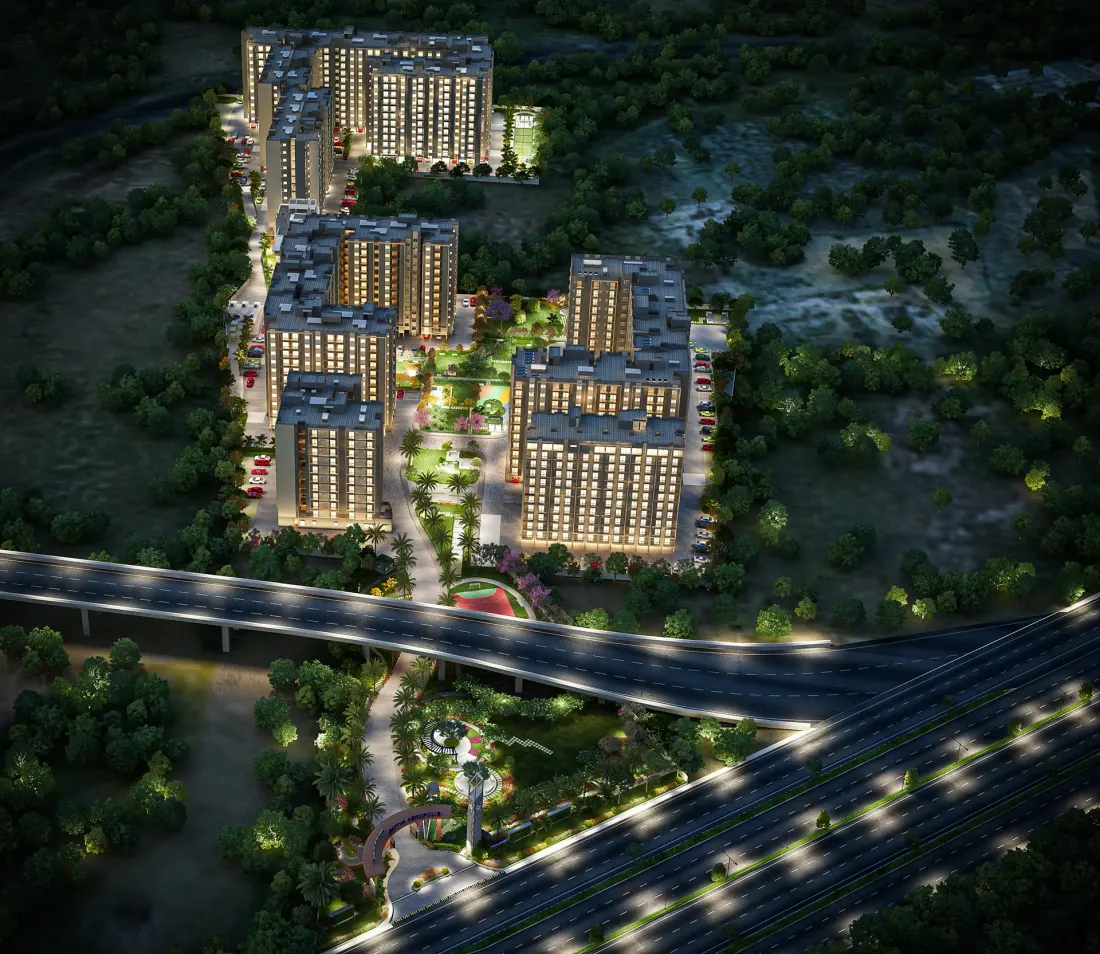
North Bengaluru's airport-linked corridor, spanning Devanahalli, Yelahanka and Hebbal, continues to be one of the most active zones for new launches and sales, a trend visible in projects like Century Astoria in Immencity and Sattva Aeropolis near the airport. South Bengaluru's Kanakapura Road and Bannerghatta Road belt is the other consistently active corridor, helped along by incremental metro progress we've covered in our Pink Line coverage.
The Bottom Line
Bengaluru's 2026 sales numbers tell a story of steady, broad-based demand rather than a speculative spike, which is generally the healthier pattern for a market to be in. If you're evaluating a purchase, this data supports treating Bengaluru as a market where genuine end-user demand, not just marketing hype, continues to back up transaction volumes. Talk to our team to find a project that fits your budget within these active corridors.
Supply is rising faster than sales, though. See our note on new launches outpacing sales and what rising inventory means for buyers.