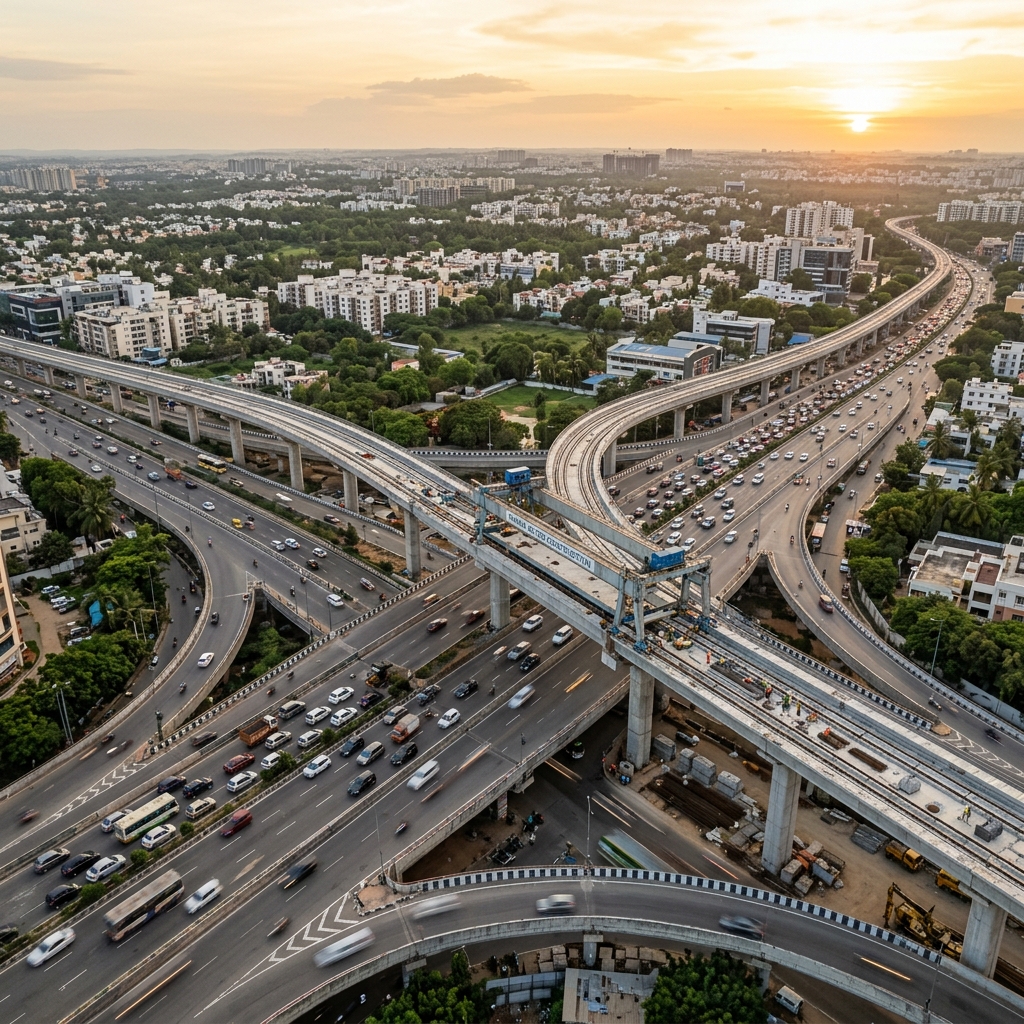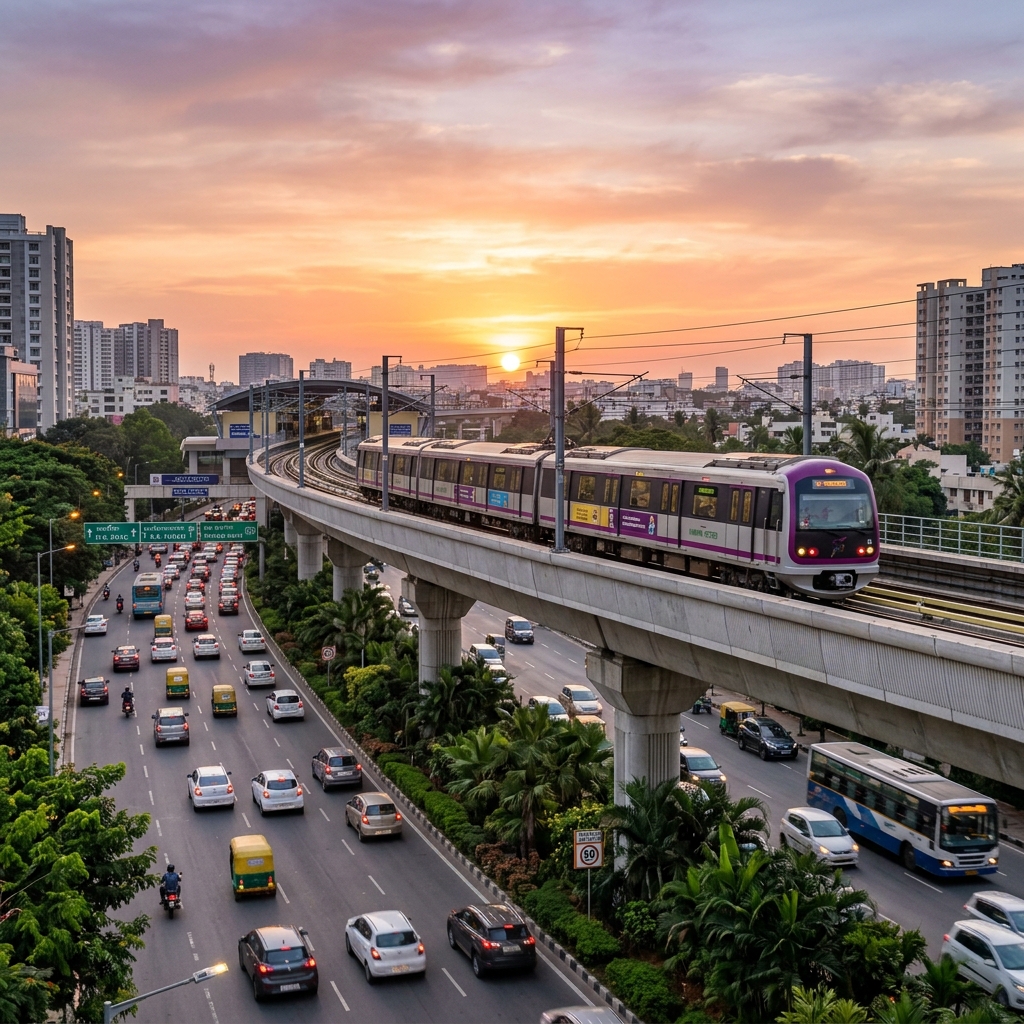
On Monday, November 2, 2026, Karnataka's Greater Bengaluru Development Minister Krishna Byre Gowda directed officials to digitise Bengaluru's Transferable Development Rights (TDR) system, according to a PTI report carried by Deccan Herald. The planned software will cover both the Greater Bengaluru Authority (GBA) and the Bangalore Development Authority (BDA), and officials say it will go beyond digitising applications to also bring the purchase, sale and final utilisation of TDR certificates online. It's a long-overdue fix for a system that has continued to function largely through paper files for years, according to officials quoted in the report.
1. What TDR Actually Does, and Why It Matters for Road Widening
Transferable Development Rights are compensation certificates issued to landowners who surrender land for public purposes, most commonly road widening. Instead of (or alongside) a cash payment, the landowner receives a certificate they can use to build extra floor area on another plot they own, or sell to a developer who wants that extra floor area for a project elsewhere in the city. The system exists because cash compensation alone has often proven too slow or too contested to get landowners to actually hand over land for infrastructure projects. A functioning, transparent TDR market is meant to make that handover more attractive and predictable.
2. A System That's Been Promised Before
This isn't the first time a digital TDR push has been announced. An earlier Deccan Herald report said the GBA had planned an online exchange for TDR certificates to launch by March 2026, with an official describing the software's intended role as an exchange platform for the certificates. That target has clearly slipped, since the system was still described as paper-based as of this week's directive. Deccan Herald's current estimate puts the new launch at roughly 10 days out from November 2, but given the track record here, that's worth treating as an estimate rather than a confirmed date.
- Broader scope than before. This round explicitly includes buying, selling and utilisation of certificates online, not just the application stage, which is a more ambitious scope than a simple digital filing system.
- Covers both GBA and BDA. A single platform spanning both authorities should, in principle, reduce the duplicated paperwork that comes from Bengaluru's overlapping civic agencies.
- Expert recommendations exist. Separate commentary has called for the platform to also register surrendered land, track certificate utilisation and identify which zones can receive transferred development rights, functions that go well beyond a basic online form.
3. Who Should Actually Care About This
If you're a landowner anywhere along a planned road-widening corridor, this is directly relevant: a working digital TDR market could make it meaningfully easier to monetise a certificate rather than sit on an illiquid paper claim. If you're a homebuyer, the effect is more indirect. Road-widening projects that have stalled for years due to unresolved land compensation could, in theory, move faster once TDR is easier to use, which would matter for connectivity along specific corridors over time. It isn't a reason to change any near-term buying decision, but it's a useful piece of context on how Bengaluru's civic infrastructure pipeline is trying to unblock itself.
The Bottom Line
This is a sensible, if overdue, administrative fix rather than a dramatic policy shift, and its real test will be whether the promised software actually launches on the stated timeline this time. For landowners with TDR claims, it's worth watching the GBA and BDA's official channels over the coming weeks. For homebuyers, it's one more data point on the city's slow-moving effort to clear the paperwork bottlenecks behind its road-widening backlog. Talk to our team if you have questions about how infrastructure plans in a specific corridor could affect a project you're considering.