The Cauvery water dispute between Karnataka and Tamil Nadu is back in the headlines, and this time it is tangled up directly with Bengaluru's own drinking water planning. On November 6, 2026, the Cauvery Water Regulation Committee directed Karnataka to release water sufficient to maintain a flow of 3,000 cusecs daily at the Biligundlu gauge station for 15 days starting November 7, after Tamil Nadu argued Karnataka was running short by 16.895 TMC as of November 4. Ten days later, on November 16, former Prime Minister H.D. Deve Gowda wrote directly to PM Modi, asking the Centre to ensure that whatever limited Cauvery water remains is reserved for drinking needs in Bengaluru and the surrounding region, and pressing specifically for the long-pending Cauvery Stage VI detailed project report to be cleared without further delay. For a city whose fastest-growing residential corridors sit at the far end of its water-supply network, this is worth understanding in plain terms rather than filing away as routine inter-state politics.
1. What Actually Happened, in Order
The sequence matters. First, the regulatory mechanism did its job: the Cauvery Water Management Authority, through its 60th meeting, confirmed the release order after Tamil Nadu's shortfall claim, and Karnataka's Water Resources Minister N. Cheluvarayaswamy acknowledged the decision. This is the dispute's well-worn seasonal rhythm, a recurring allocation fight that has played out most years for decades and that, on its own, says little new about Bengaluru's water security. What is less routine is Deve Gowda's intervention ten days later, specifically tying the Cauvery allocation fight to the unresolved Stage VI DPR, a document that was first returned with observations on June 29, 2026 and only resubmitted on August 13. A former Prime Minister writing directly to the sitting one, and explicitly framing the issue as "the severity of the drinking water crisis," is a sharper public statement about urgency than the dispute's usual seasonal back-and-forth.
2. Why Bengaluru's Water Story Is Really an Infrastructure Story
It helps to separate two different things that often get blurred together. The Cauvery allocation dispute with Tamil Nadu is about how much river water Karnataka releases downstream in a given season; it does not, by itself, determine how much Cauvery water reaches a specific Bengaluru neighbourhood. That second question is almost entirely a function of BWSSB's own distribution infrastructure, principally the Cauvery Stage V network that has been rolling out in phases, and the still-pending Stage VI expansion that Deve Gowda is now pushing to accelerate. BWSSB has separately been preparing its own detailed project report to draw an additional 6 tmcft of Cauvery water specifically for the city's growing drinking-water needs, work that runs on a parallel track to the interstate dispute but depends on many of the same underlying allocation numbers being favourable.
- CWRC release order (Nov 6-7): A routine, if contested, seasonal allocation decision, not itself a Bengaluru supply cut.
- Deve Gowda's letter (Nov 16): A higher-profile political push specifically for Cauvery Stage VI's DPR, tied explicitly to drinking water urgency.
- BWSSB's parallel DPR: An effort to secure an additional 6 tmcft specifically for the city, separate from the interstate release dispute but drawing on the same river system.
3. Why This Matters More for North Bengaluru's Newer Corridors
Established, older parts of Bengaluru have generally had Cauvery-linked piped water for years. The growth corridors that have added the most new residential supply over the past five years, stretches of Yelahanka, Devanahalli, Nelamangala and the airport road, are precisely the areas where BWSSB's network expansion is still catching up to construction, which is exactly why Stage V and the pending Stage VI matter so much to this specific segment of the market. A delay in Stage VI's approval, or a rockier-than-usual allocation season with Tamil Nadu, has a more direct practical effect on a still-expanding corridor that is waiting for its first reliable piped Cauvery connection than on an established, already-connected neighbourhood. That is the lens through which this dispute is genuinely relevant to homebuyers, not as a dramatic headline about rivers, but as a proxy for how quickly municipal water infrastructure is keeping pace with North Bengaluru's rapid residential growth.
4. What Buyers Should Actually Check
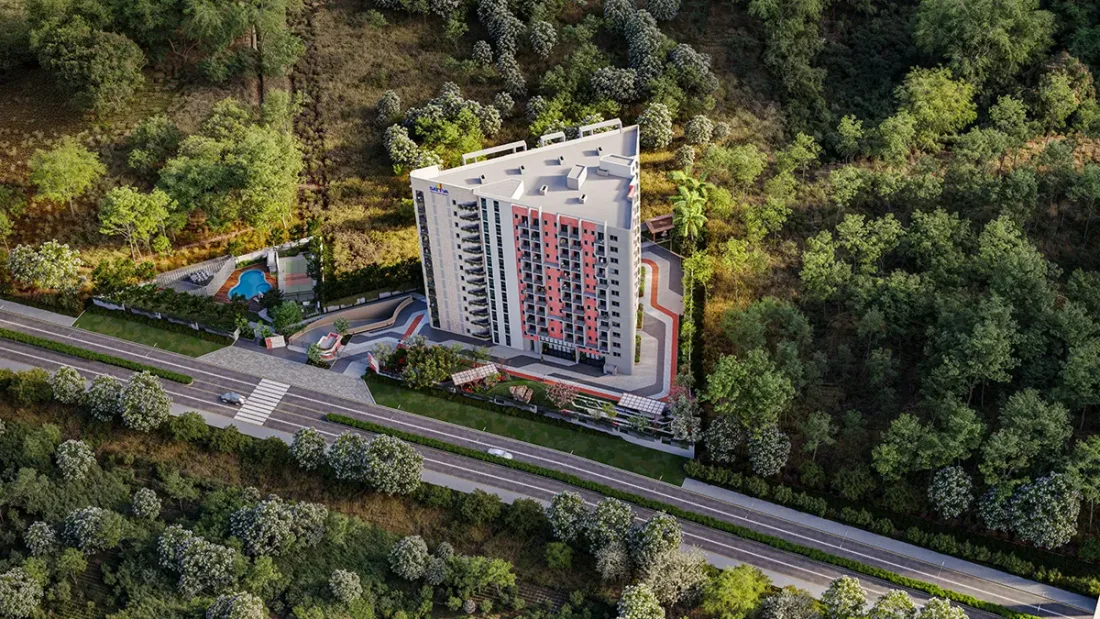
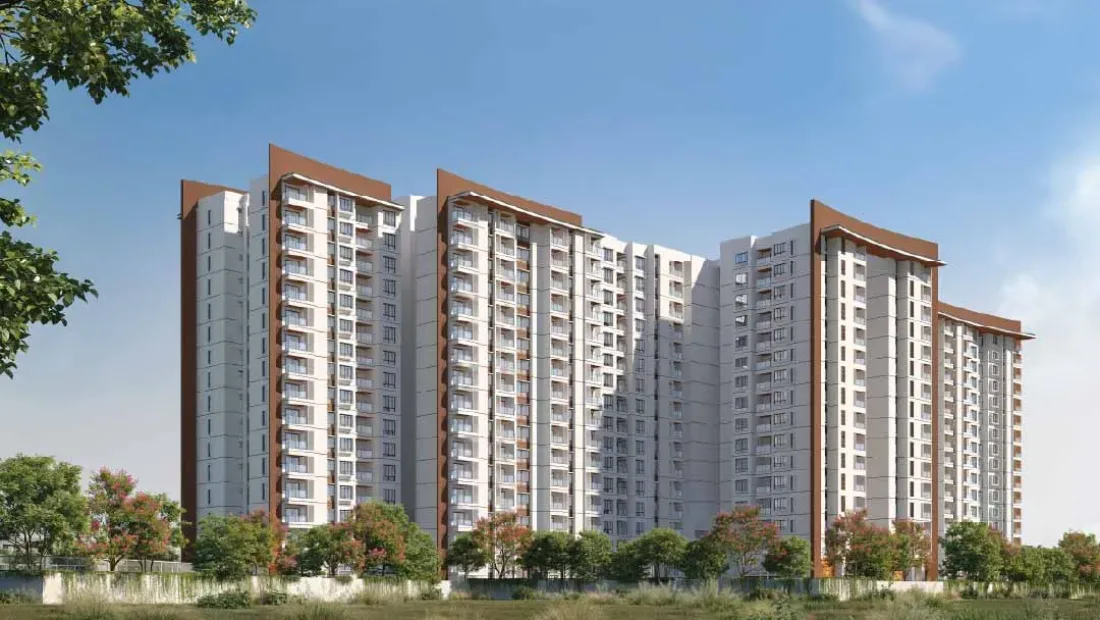
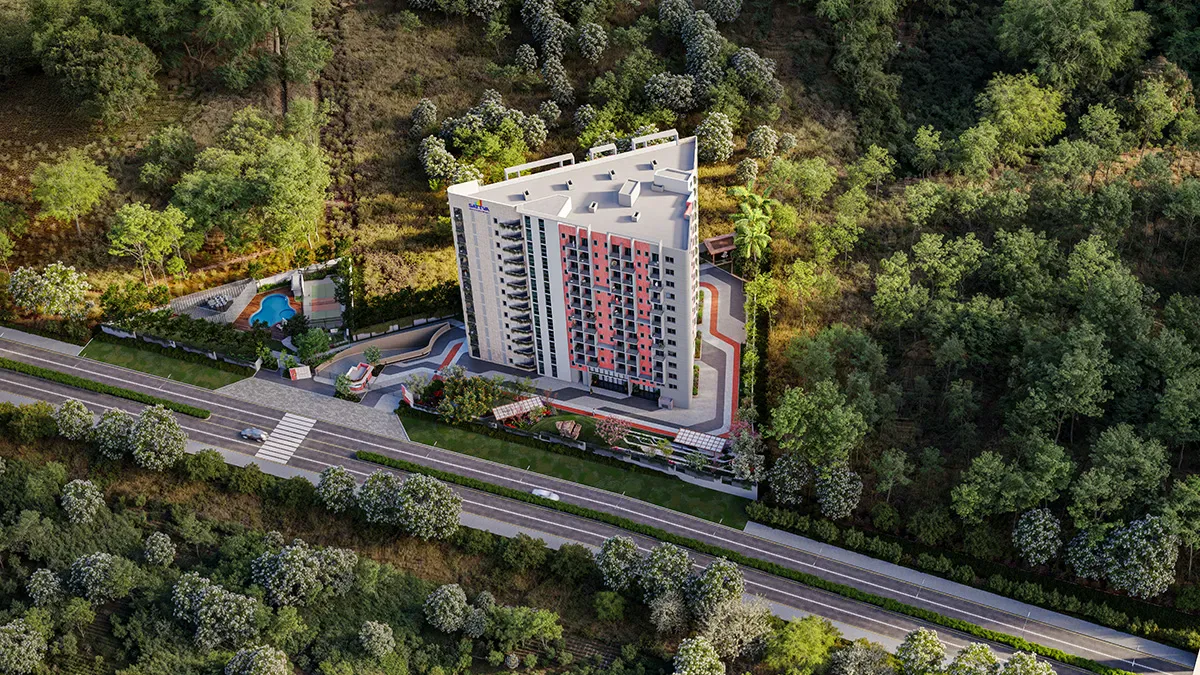
The practical takeaway isn't to avoid North Bengaluru, it's to ask a more specific question before booking in a newer project: is the development's water supply already connected to BWSSB's Cauvery network, or is it currently running on borewells and tanker supply pending that connection? Projects like Sattva Vasanta Cove in Devanahalli, which markets itself partly on being 5-10 minutes from the airport, and newer Yelahanka developments such as Assetz Zen & Sato and Sattva Lumina, all sit in the same broad corridor where this infrastructure question is live and worth asking directly, rather than assuming piped Cauvery supply is automatically in place simply because a project is RERA-registered and under construction. For more background on how water availability intersects with investment decisions in this market, see our earlier coverage of Bengaluru's water crisis and property investment.
The Bottom Line
Nothing about the November 2026 Cauvery developments changes any specific project's price or possession date, but together the CWRC's release order and Deve Gowda's pointed appeal on Stage VI are a useful reminder that Bengaluru's water security is an ongoing infrastructure project, not a solved problem, particularly in the newer corridors where most of the city's recent residential growth has concentrated. Buyers evaluating a project in Yelahanka, Devanahalli or similar growth corridors should treat confirmed Cauvery connectivity as a genuine diligence item, alongside the usual checks on RERA status and construction progress. Talk to our team for a project-specific read on water infrastructure across North Bengaluru's growth corridors.