The Chennai Metropolitan Development Authority has approved around 17 high-rise building proposals within barely a month of receiving the power to directly clear them, a number that equals the authority's total high-rise approvals for the whole of 2024, according to reports on community.verified.realestate and propnewstime.com. The change stems from a government order, G.O. Ms. No. 126, issued by Tamil Nadu's Housing and Urban Development Department on June 15, 2026, which empowered CMDA to approve or refuse high-rise building (HRB) planning permission on its own, without the file needing separate ministerial clearance.
1. What Actually Changed in the Process
Under the revised process, a developer's application is scrutinised by CMDA, reviewed by the HRB Scrutiny Panel, and then approved or refused directly by CMDA. Previously, high-rise proposals needed to clear this scrutiny and then go up for a separate round of ministerial clearance before a final decision, a step that could add significant time to an already lengthy approval process. Removing that extra layer is the specific change behind the sharp jump in approvals: CMDA matching a full year's worth of 2024 clearances within about a month shows how much of a bottleneck the ministerial-clearance step had become.
2. Why This Matters If You're Evaluating a Chennai High-Rise
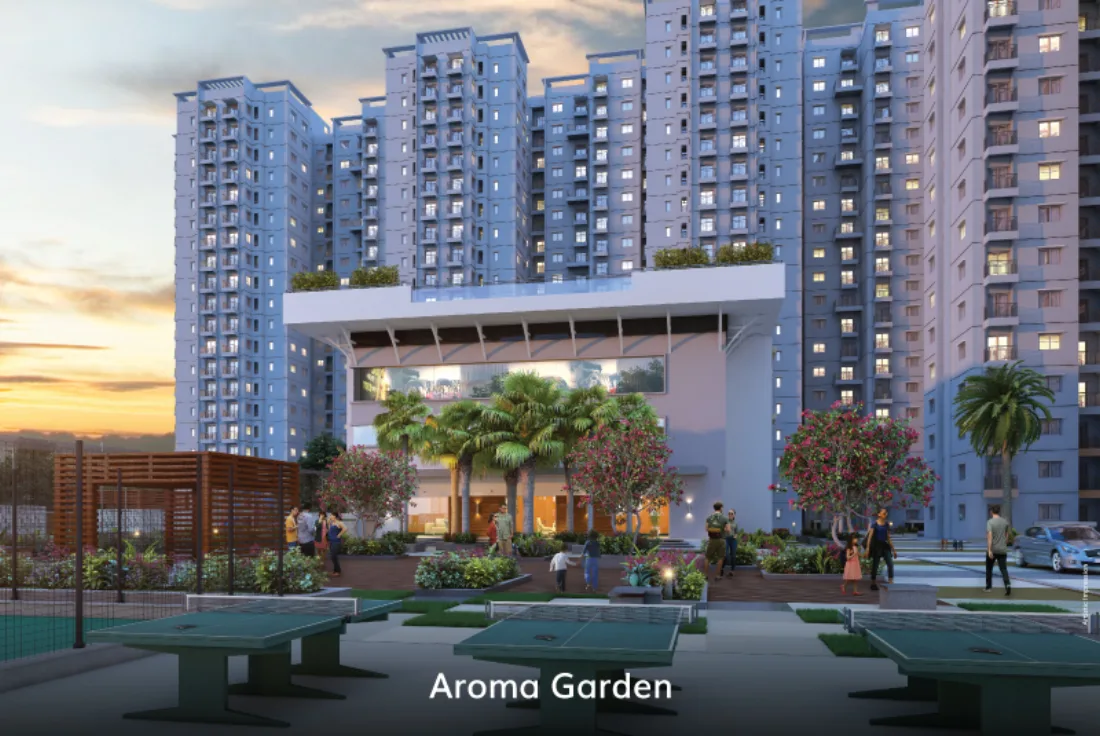
For homebuyers tracking high-rise apartment launches across Chennai, faster CMDA clearance is a genuine structural change, not a one-off. It can mean more new high-rise supply reaching formal launch sooner, and fewer of the drawn-out gaps between a project's marketing launch and its actual construction start that come from files sitting in a ministerial queue. This is relevant to buyers evaluating high-rise apartment options such as Godrej Azure in Padur on OMR and Shriram 122 West in Mangadu, both of which fall within the Chennai Metropolitan Area and the kind of high-rise approval pipeline this order speeds up.
3. What Doesn't Change for Buyers
A faster institutional approval process is not a substitute for project-level verification. The HRB Scrutiny Panel's review step is still part of the process before CMDA's direct approval, so the underlying technical and planning scrutiny hasn't been removed, only the subsequent ministerial-clearance layer. Buyers should still independently verify a specific project's RERA registration, sanctioned plan, and construction progress rather than assuming faster institutional clearance means a shorter wait for their own unit's possession.
The Bottom Line
This is a genuine structural streamlining of how Chennai's high-rise approvals move through the system, and the scale of the jump, a full year's approvals matched in a month, suggests it's already having a real effect on how quickly new high-rise supply can reach the market. For buyers, it's a reason to expect a steadier pipeline of new high-rise launches across the Chennai Metropolitan Area, but it changes nothing about the need to verify each project's own RERA filing and construction timeline before booking. We've covered Tamil Nadu's broader approval reforms in our CMDA SPEED clearance guide. Talk to our team if you'd like help verifying a specific Chennai high-rise project's approval and RERA status.