The Greater Chennai Corporation (GCC) announced on September 13, 2026 that 6,03,232 property owners across the city must clear a combined Rs 847.80 crore in current and pending property tax dues by September 30, 2026. The civic body says it is under considerable financial pressure, with its total bill liability for the 2026-27 financial year standing at roughly Rs 3,434.72 crore, and GCC Commissioner G.S. Sameeran has personally appealed to property owners to clear both current and long-pending dues within the stipulated window, framing timely payment as necessary to keep essential civic services running without interruption.
1. A Routine Deadline With Real Consequences for Defaulters
Property tax collection drives happen every year, but the scale of this one, over six lakh property owners and nearly Rs 850 crore outstanding, underscores just how much Chennai's civic infrastructure depends on owners paying on time. Property tax defaults don't just create a paperwork backlog for the Corporation; unresolved dues can complicate future transactions on that property, including resale, mortgage processing and the transfer of the tax account to a new owner, so clearing pending amounts promptly is worth treating as more than a bureaucratic formality.
2. How to Check and Pay
The GCC has said dues can be settled through several channels beyond the traditional in-person counters: its official website, its mobile app, WhatsApp payment links, QR codes, and a dedicated chatbot number. For owners unsure whether they have pending dues, particularly on an inherited property, a recently possessed unit, or one bought some years ago, checking the exact outstanding amount against the property's assessment number directly with the GCC is the safest way to avoid an unpleasant surprise closer to the deadline.
- Don't assume your builder or previous owner settled everything. Property tax obligations attach to the property, not the person, so any unpaid history can surface at the point of resale or refinancing.
- New possessions need prompt registration. If you've recently taken possession in a new Chennai project, registering the property with the GCC promptly ensures your tax assessment starts on an accurate footing rather than accumulating an unclear backlog.
- Digital payment channels reduce friction. With WhatsApp links, QR codes and app-based payments now available, there's less reason to delay simply because of queueing at a physical counter.
3. What This Means If You're Buying Property in Chennai
For anyone evaluating a resale purchase in Chennai right now, this collection drive is a useful reminder to build a property tax clearance check into your due diligence checklist alongside title verification and encumbrance certificates. Ask the seller for the latest paid receipt and, where possible, independently confirm with the GCC that no dues remain outstanding on that specific assessment number before you finalise the deal. Buyers of new, RERA-registered projects don't face this particular issue at the point of purchase, but should still register promptly with the GCC once they take possession.
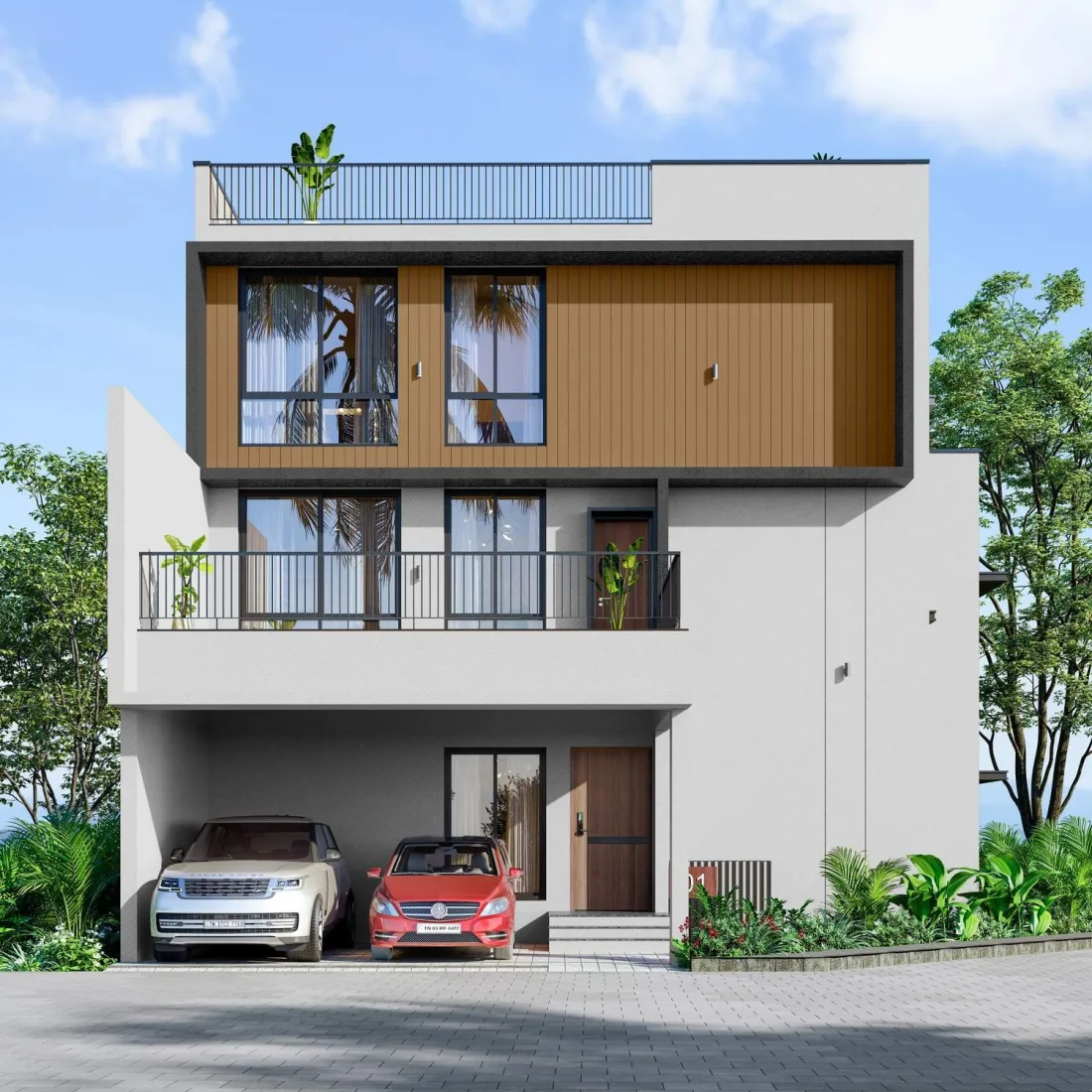
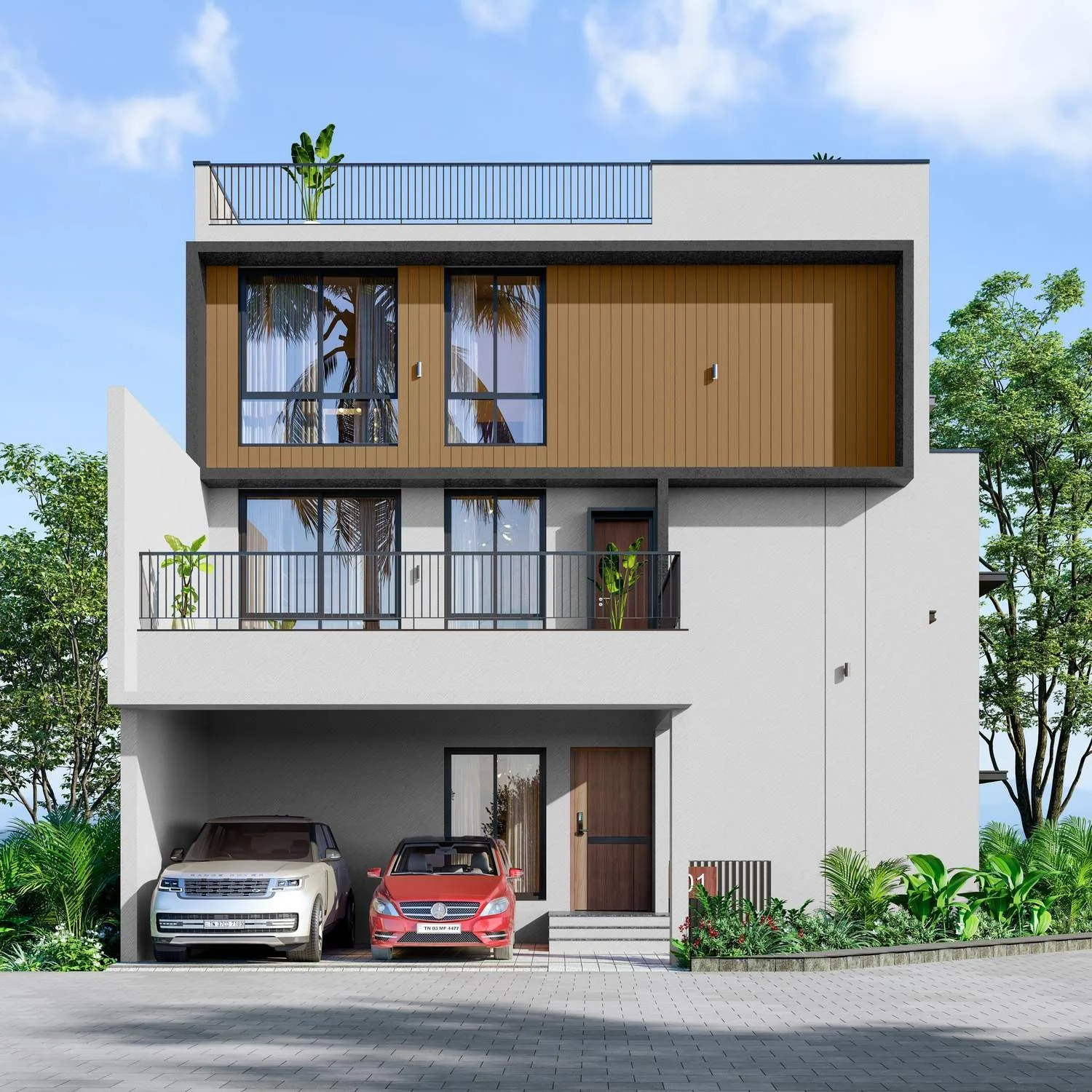
If you're evaluating new construction in Chennai rather than resale, projects like Radiance Edgewood in Navalur and Shriram Kinglife in Koyambedu are RERA-registered developments where the tax assessment process begins fresh from possession, giving buyers a clean starting point.
The Bottom Line
Chennai's latest property tax collection push is a reminder that recurring civic obligations deserve the same attention as the one-time costs of buying a home. Whether you're an existing owner checking your own dues or a buyer doing diligence on a resale property, verifying property tax status with the GCC directly is a simple step that avoids complications later. Talk to our team if you'd like guidance on due diligence for a specific Chennai property.
Update: GCC went on to collect a record Rs 1,436.75 crore in the first half of FY 2026-27, with a 6% property tax hike now proposed.