Kempegowda International Airport (KIA) has received environmental clearance from the Ministry of Environment, Forest and Climate Change to more than double its annual passenger handling capacity, from 55 million to 114 million, according to Deccan Herald and corroborating coverage. Cargo capacity is set to rise from 1 million to 1.4 million tonnes, and the entire expansion is planned within the airport's existing 4,009-acre footprint in Devanahalli taluk, so it does not require fresh land acquisition around the site. For a corridor where Luxura Habitat markets several residential projects, this is one of the more significant, if quietly reported, infrastructure developments of the year.
1. What's Actually in the Clearance
Beyond the headline passenger number, the clearance covers a Terminal 2 Phase 2 expansion that would scale up Terminal 2's own handling capacity from 25 million to 45 million passengers a year, and an increase in Air Traffic Movement (ATM) capacity from 60 to 90 movements an hour. Separately, in a reply to Parliament, the Civil Aviation Ministry has put the airport's current capacity at about 51.5 million passengers annually, with overall terminal capacity targeted to reach 80 million by August 2030, a milestone that would sit well short of the full 114 million ceiling this clearance now permits. In other words, 114 million is the long-run cap the airport has been cleared to grow into, not a near-term target.
It's worth being precise about what a clearance is and isn't. Reports differ on the exact date the Ministry signed off (some point to May, others to July 2026), which itself is a reminder that clearances of this kind often move through the system with limited public announcement. What is consistent across sources is that BIAL, the airport operator, has confirmed Terminal 2 Phase 2 is targeted for completion by 2029, while offering little additional public detail on the broader 114-million roadmap beyond that.
2. Why This Matters for Devanahalli Specifically
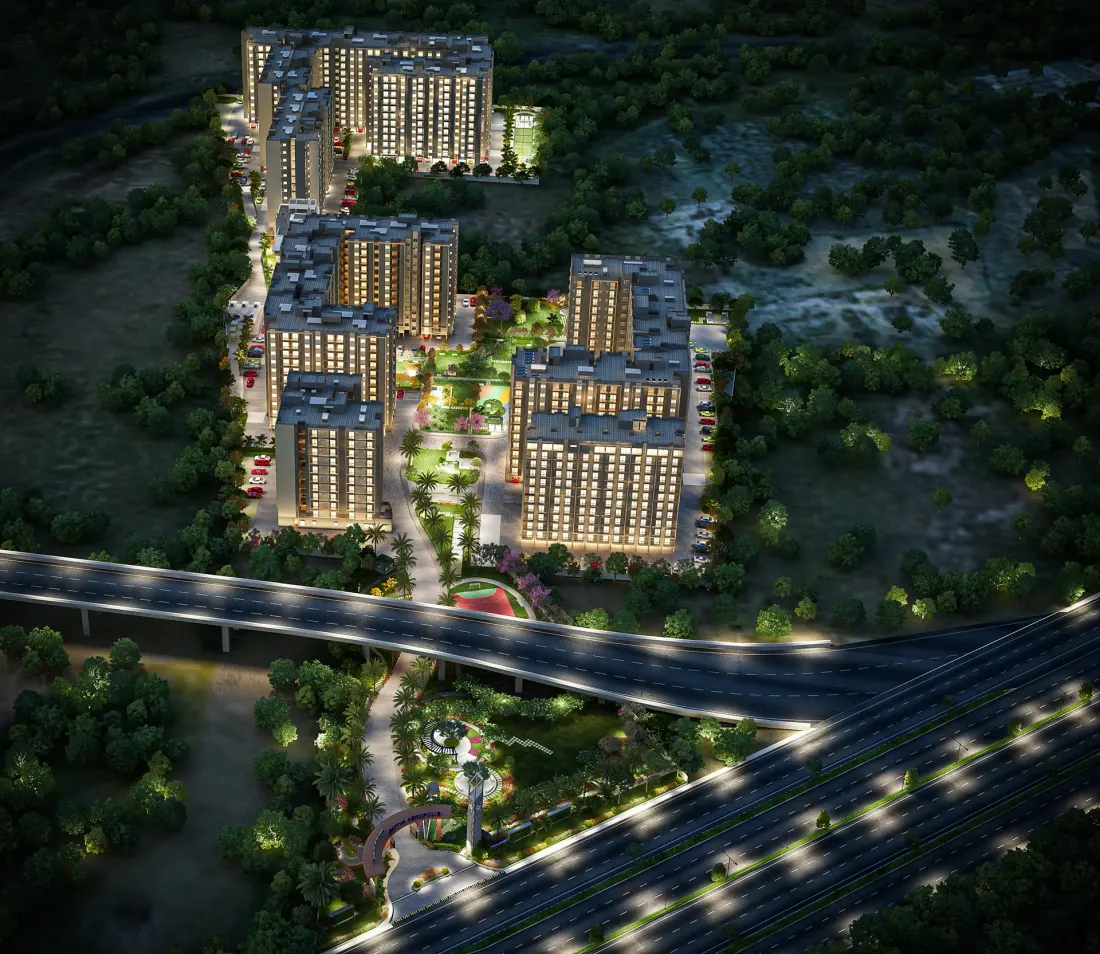
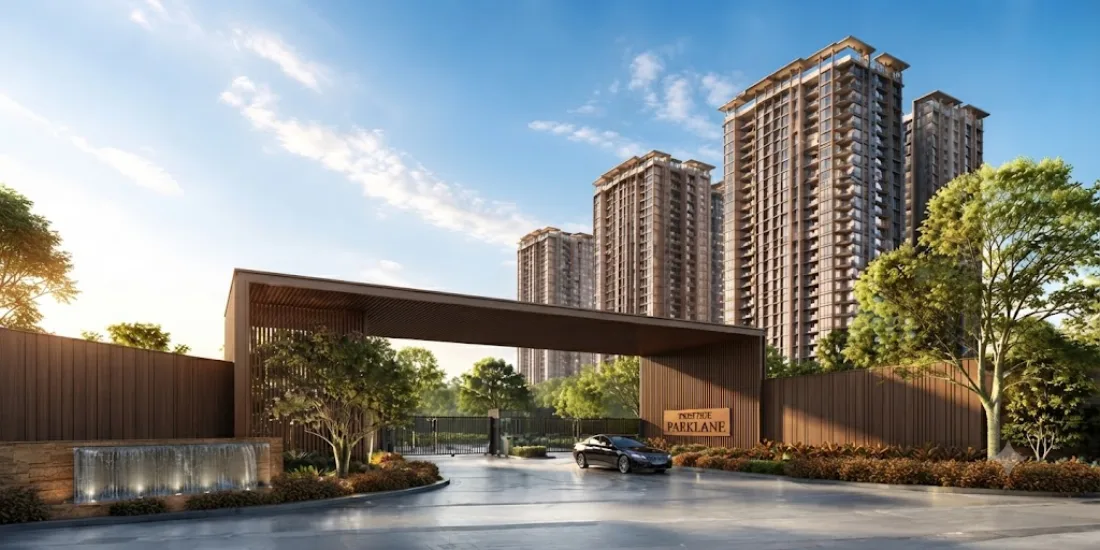
Devanahalli's residential market has largely been built on the airport's gravitational pull, and Luxura Habitat's own portfolio there reflects that: Sattva Aeropolis and Prestige Parklane among the apartment projects, alongside the broader KIADB Aerospace Park and Devanahalli Business Park ecosystem that several other projects in the corridor are positioned around. A confirmed plan to more than double the airport's capacity, rather than a speculative proposal, is a meaningfully stronger demand signal than the kind of infrastructure promise that can stall indefinitely, precisely because it has already cleared a real regulatory hurdle. We've previously covered how the Satellite Town Ring Road and the Namma Metro Blue Line are reshaping this corridor's connectivity; this airport expansion adds a third, arguably more fundamental, driver of long-run housing and commercial demand around Devanahalli.
3. The Second Airport Question, and Why It's Separate
Some of the recent airport coverage in this space also touches on a long-discussed second airport for Bengaluru. That remains at a much earlier stage: the Airports Authority of India has completed pre-feasibility studies for three shortlisted sites, but the Karnataka government has not yet submitted a formal proposal to the Centre under the Greenfield Airports Policy. There's also a contractual wrinkle, the original concession for the Devanahalli airport reportedly bars any other airport within 150 km until 2033, which adds legal complexity on top of the planning work still pending. Buyers should treat the KIA capacity expansion covered here, which has already cleared an environmental hurdle, as a far more concrete development than the second-airport conversation, which remains speculative.
The Bottom Line
Environmental clearance to grow Kempegowda International Airport's capacity from 55 to 114 million passengers a year is a confirmed, regulatorily significant step, even though the full build-out will likely play out over years rather than months, with Terminal 2 Phase 2 alone targeted for 2029. It doesn't change the price or possession date of any specific Devanahalli project today, but it does strengthen the long-term fundamentals of a corridor that already anchors a large share of Luxura Habitat's portfolio. Talk to our team if you'd like to understand how this fits into a specific Devanahalli project you're evaluating.